
Why the vitals on kudu, oryx, wildebeest and other plains game sit lower and further forward than on a whitetail, and how to take a clean shot.
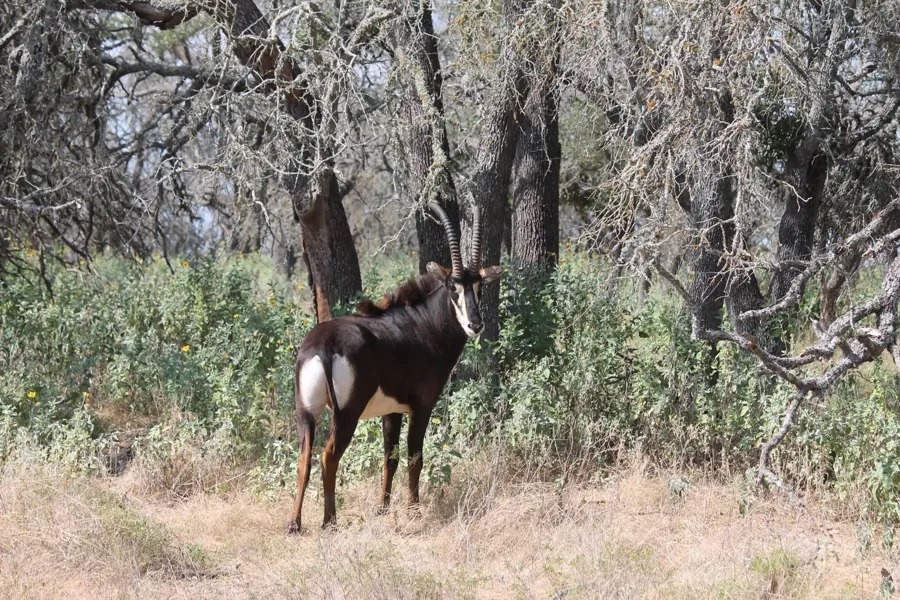
Most American hunters learn shot placement on whitetail. That habit can work against you on African game. On many plains game species the heart and lungs sit lower and further forward than you'd expect, and a shot that looks perfect on a deer can land too high or too far back.
Follow the front leg
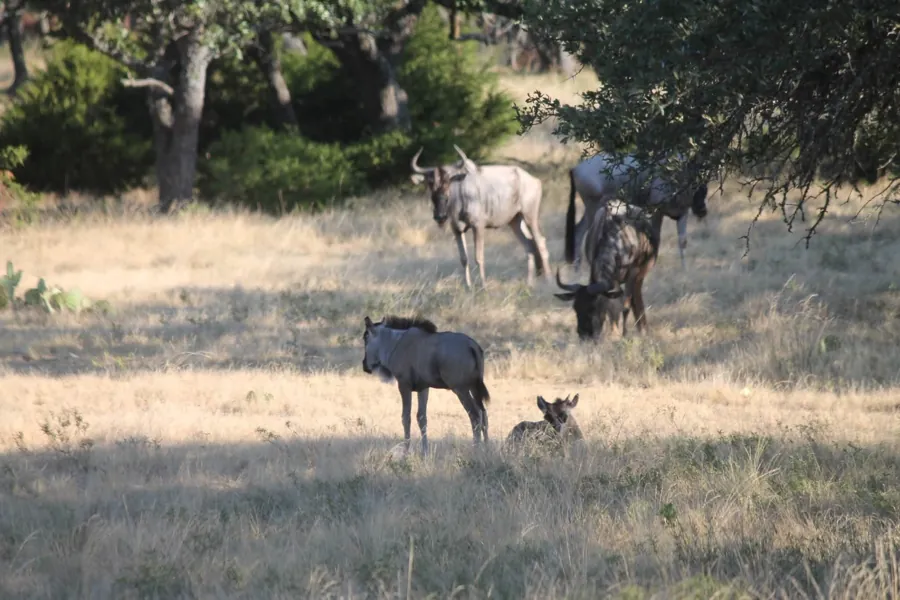
On a broadside animal, follow the back edge of the front leg up into the body. On most plains game the aiming point is about a third of the way up the body from the bottom of the chest. Hitting there takes out the heart and lungs. On animals with a hump or heavy shoulders, such as wildebeest or eland, the body looks taller than the vitals really are, which is one reason so many hunters shoot high.
Tough animals deserve a good bullet
Oryx, wildebeest and nilgai are famously tough for their size. A premium bonded or monolithic bullet that holds together and penetrates matters more than raw speed. For Cape buffalo, use a proper dangerous-game caliber and talk with us about bullets before you arrive.
Angles
- Broadside: the follow-the-leg shot described above.
- Quartering away: aim for the far shoulder, entering behind the near ribs.
- Quartering toward: aim at the near shoulder joint so the bullet angles back into the chest.
- Facing you: center of the chest at the base of the neck, only with a solid rest and the right rifle.
Practice and patience
Shoot from field positions before your trip: sticks, kneeling, off a pack. Most shots on the ranch are at reasonable distance, but animals rarely stand still for long. The best shot is the one you are sure of. If the angle isn't right, wait. Your guide will help you read the animal and pick the moment.
A clean, ethical shot is the whole point. Take the time to make it.
Guided hunts for 33 exotic species in Harper, Texas.